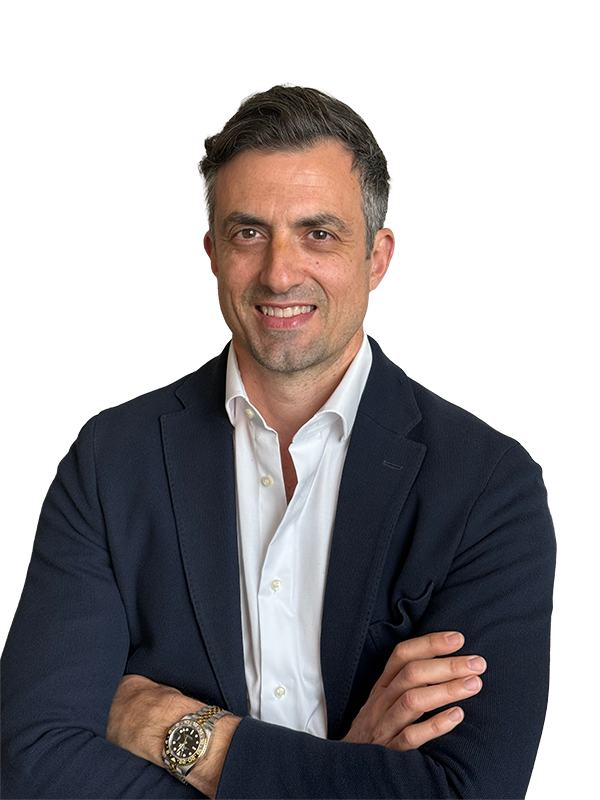








Yousef Khalawi Inspires Global Transformation Through Leadership of AlBaraka Forum for Islamic Economy
Photo: Yousef Khalawi, Secretary-General of AlBaraka Forum, revolutionises Islamic finance by combining ethical principles with sustainable, global financial innovation.
The global Islamic finance industry’s projected growth to $9.7 trillion by 2029
Yousef Khalawi leverages his expertise to expand Islamic finance globally, promoting ethics, inclusivity, and sustainability through innovation, education, and international collaboration as the Secretary-General of AlBaraka Forum.
I n a rapidly evolving financial landscape, Islamic finance is emerging as a cornerstone of ethical, sustainable, and inclusive economic systems. Driving this transformative growth is Yousef Khalawi, a globally respected leader in Islamic finance, international investments, and economic reform. With an extensive career built on solid foundations in comparative fiqh and international law, Mr. Khalawi is not only a proponent of Sharia-compliant finance but also an archetype of global ethical leadership.
As the Secretary-General of the AlBaraka Forum for Islamic Economy and the Islamic Chamber of Commerce, Industry and Agriculture, Mr. Khalawi oversees initiatives that extend economic development beyond borders and faiths, creating an inclusive financial ecosystem. Under his guidance, Islamic finance has grown into a formidable force catering to societies across both Muslim-majority and non-Muslim countries, aligning with ESG principles and driving sustainability.
A visionary leader, Yousef Khalawi has revolutionised global Islamic finance, championing ethics, sustainability, and inclusive economic growth worldwide.
The Growth Trajectory of Islamic Finance
Islamic finance is on an impressive growth path, with projections estimating its global market size to reach $9.7 trillion by 2029. According to Mr. Khalawi, the foundation of this growth rests on the global demand for ethical and transparent financial solutions. Islamic finance—rooted in elements such as risk-sharing and avoidance of interest—naturally complements shifting investor priorities, particularly in sectors aligned with ESG standards. Its asset-backing and fair governance are increasingly appealing to ethical investors globally, further bridging the gap between traditional financial models and modern sustainability goals.
“The strongest driver of Islamic finance is the rising global demand for ethical, transparent, and sustainability-aligned financial models.”
Notably, advancements in Islamic fintech are accelerating accessibility and growth. With global digital transactions expected to surpass $306 billion by 2027, digital platforms are creating bridges for underserved and emerging markets to access Sharia-compliant financial services. As Mr. Khalawi highlights, initiatives such as cross-border sukuk issuances and robust collaborations among institutions are further helping to position Islamic finance as an indispensable part of global financial ecosystems.
A Model of Inclusivity: Non-Muslim Markets and Islamic Finance
One of the remarkable aspects of Islamic finance’s growing influence is its successful entry into non-Muslim-majority markets. The United Kingdom serves as a prime example, creating regulatory clarity and tax neutrality to accommodate Sharia-compliant financial products. Mr. Khalawi underscores the importance of this inclusivity, noting that Islamic finance is not a faith-specific system—it is an ethical and values-driven system that resonates with universal principles.
“Islamic finance is not exclusive to Muslims—it is a values-based system embracing transparency, fairness, and inclusivity for all communities.”
To replicate such success in other non-Muslim markets, countries must focus on fostering regulatory frameworks, innovative fintech solutions, and Sharia-compliant liquidity tools. Countries like Canada, Australia, and Brazil are also exploring Islamic finance to meet rising demand for ethically aligned investment alternatives, from mortgages to pension products.
Overcoming Barriers to Adoption
Despite promising growth, Islamic finance remains hindered by key challenges. These include misconceptions that Islamic finance is exclusive to Muslim communities, a lack of regulatory familiarity, and competition from conventional financial institutions. Mr. Khalawi identifies regulatory harmonisation, capacity-building, and public awareness campaigns as critical steps for overcoming these barriers. Countries like Kenya and Ethiopia, with limited Islamic finance expertise, have nevertheless shown that such systems can flourish under strategic leadership and educational efforts.
Education as a Key Driver
Education is central to transforming the global perception and adoption of Islamic finance. Through initiatives at the AlBaraka Forum for Islamic Economy, Mr. Khalawi fosters academic excellence in Islamic finance. Programmes such as the Durham Islamic Finance Summer School and grants for doctoral students create opportunities for young scholars to dive deep into the field. By supporting curriculum development and simplifying concepts through digital platforms, education and public awareness are emerging as significant enablers in the modernisation of Islamic financial systems.
Ethical Finance Meets Technological Innovation
Islamic fintech stands at the intersection of ethics and modernisation, and it is reshaping how younger generations interact with financial products. Mr. Khalawi points to the United Kingdom’s burgeoning Islamic fintech scene, which features innovative platforms like robo-advisors, ethical micro-investment tools, and AI-driven automation for zakat and waqf payments. These digital solutions appeal to millennials and Gen Z entrepreneurs, offering opportunities for financial inclusion while reinforcing the ethical underpinnings of Islamic finance.
Global Collaboration as a Catalyst
Collaboration plays a vital role in the scalability and resilience of Islamic finance. The annual AlBaraka Summit, spearheaded by Mr. Khalawi, brings together industry leaders, policymakers, and scholars from over 30 countries to foster harmonised governance, cross-border investment opportunities, and joint infrastructure projects. By creating bridges between emerging markets and established financial hubs like London and Kuala Lumpur, these collaborations strengthen the global Islamic financial ecosystem.
A Vision for the Future
Mr. Khalawi envisions Islamic finance as a key contributor to ethical capitalism and inclusive global growth. Its emphasis on asset-backed structures uniquely positions it to drive developments in housing, renewable energy, and socially impactful sectors. Moreover, tools like profit-and-loss sharing, interest-free financing, and community-driven initiatives such as zakat and waqf provide a blueprint for an equitable financial system.
Under Mr. Khalawi’s leadership, Islamic finance is transitioning from a niche to a global movement, showcasing that economic success can thrive within a framework of ethics, transparency, and sustainability. His pioneering work continues to bridge cultural divides, redefine financial inclusivity, and inspire global markets to adopt a values-based approach to finance.
As the world grapples with challenges of inequality and environmental crises, Islamic finance stands out as a beacon of hope—one that proves we can build systems benefiting all segments of society. Thanks to leaders like H.E. Mr. Yousef Khalawi, the journey toward a sustainable and inclusive global economy is not only possible but already well underway.