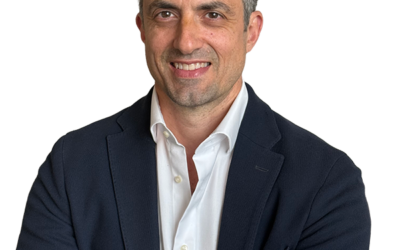








Patrick Faure: “Each Painting Is A Museum Of Stories Waiting To Be Told”
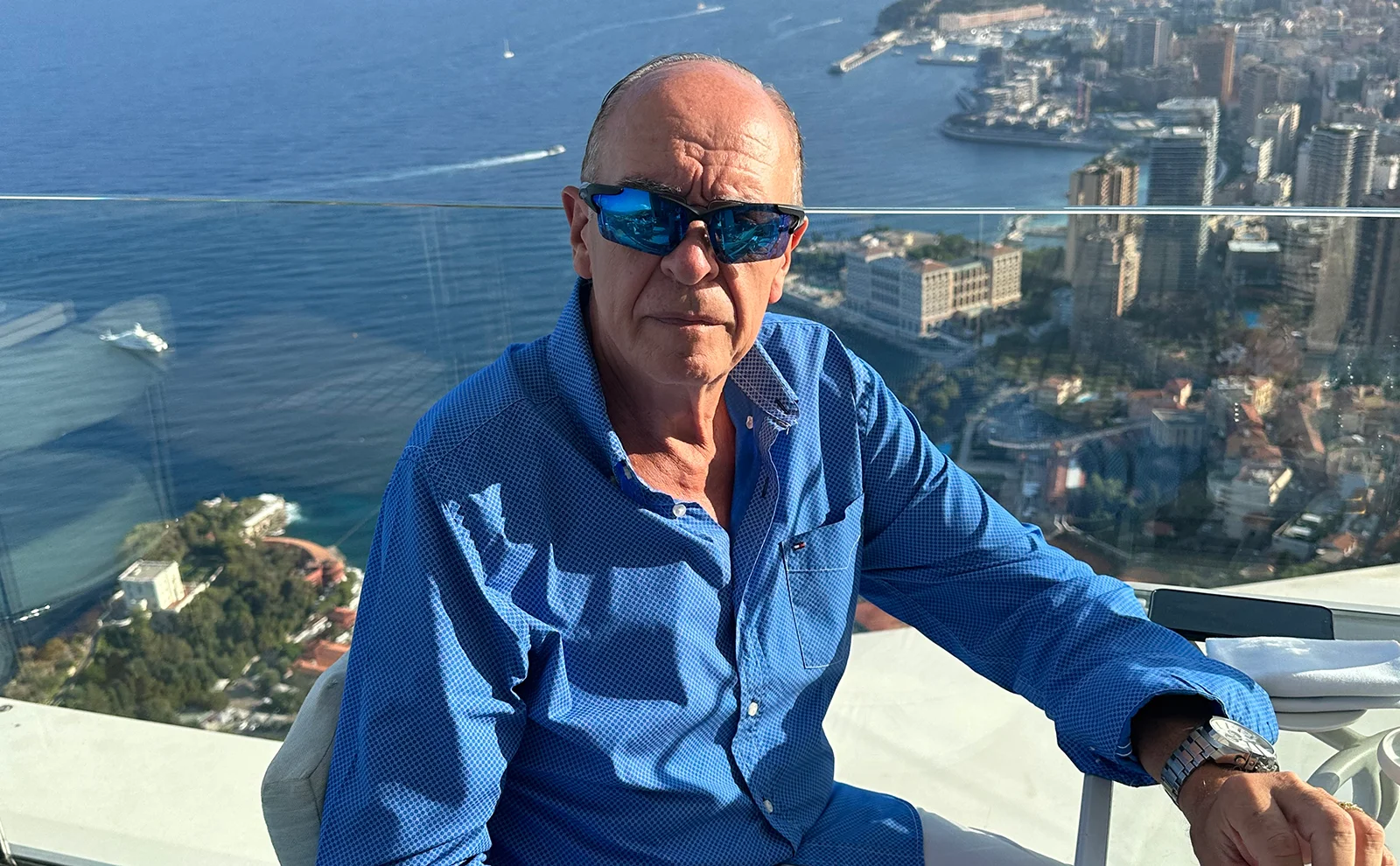
Where Philosophy Meets Art: Patrick Faure’s Vision
Self-taught surrealist Patrick Faure blends Mediterranean inspiration, philosophical depth, and technical brilliance to craft powerful narratives and dreamlike canvases, captivating viewers with vibrant colour, intricate storytelling, and timeless reflection.
Art has the mesmerizing capacity to transcend time, challenge perceptions, and stir the soul in ways words cannot describe. Few artists embody this transformative potential as profoundly as Patrick Faure, a master of contemporary surrealism. Renowned for his philosophical depth and Mediterranean-inspired artistry, Faure crafts visual narratives that transport viewers into intricate worlds where reality and imagination coalesce.
In a feature conducted by WOWwART magazine, Patrick Faure provided insight into his artistic journey, influences, and distinctive creative process. As this extraordinary artist captures the spotlight with his thought-provoking creations, his work not only reveals remarkable technical skill but also reflects a profound exploration of the human experience. Here are some highlights from WOWwART‘s interview, shedding light on the art and mind of this celebrated artist.
Faure attributes his early foray into the world of art to the influence of his grandmothers. His maternal grandmother introduced him to the works of Italian surrealist Giorgio de Chirico, while his paternal grandmother kindled his love for Impressionism. These formative experiences set him on the journey to becoming an artist. Although initially drawn to portraiture, Faure’s career naturally evolved, taking him toward complex surrealist compositions imbued with narrative, multi-faceted symbolism, and a distinctive dreamlike quality.
Patrick Faure’s unparalleled vision, meticulous technique, and profound storytelling position him as a visionary in contemporary surrealism.
Faure’s work is largely shaped by an enduring dialogue with renowned artists and thinkers. He cites figures like Hieronymus Bosch, Pieter Bruegel, Salvador Dalí, and Paul Delvaux as profound influences on his style. From Bosch’s imaginative intricacy to Dalí’s surrealist visions and Delvaux’s atmospheric balance, these mentors have guided Faure’s artistic evolution. Historical influences such as Flemish painters from the 15th century, as well as Roman architectural traditions, have further enriched his practice. Faure himself says, “My work aims to create a contemporary surrealism that feels both timeless and relevant.”
At its core, Faure’s work invites viewers to contemplate profound existential questions. His art is described as a fusion of three dimensions: the visual, the historical, and the metaphysical. Inspired by existentialists like Camus, Kafka, and Heidegger, Faure channels their philosophical ideas into his art, crafting conceptual depth and vast meaning. His works explore the mysteries of the subconscious, mortality, and the human condition. According to Faure, “I am not just an artist—I am a philosopher who became an artist.”
“Each painting is inseparable from its narrative.” – Patrick Faure
This philosophical bent is evident in his creative process, where narrative is paramount. Faure explains that every work begins with an idea or myth, which is carefully woven into the composition. For example, his painting Ozymandias, inspired by Shelley’s iconic poem, reimagines the tale with undertones of existentialism, resulting in a new dialogue between art and philosophy. “Each painting starts with a story, and once complete, a written narrative follows to complement the visual journey,” he explains.
Faure’s cultural heritage also imbues his art with a distinct identity, stemming from his formative years spent on the historic Via Julia near a majestic Roman mausoleum. Deeply rooted in Roman civilisation and the luminous Mediterranean environment, Faure’s work draws heavily from the blue hues of the sea and sky, symbols of introspection and depth. He describes his palette of azure blues and muted earth tones as a deliberate choice that lends harmony to his layered storytelling.
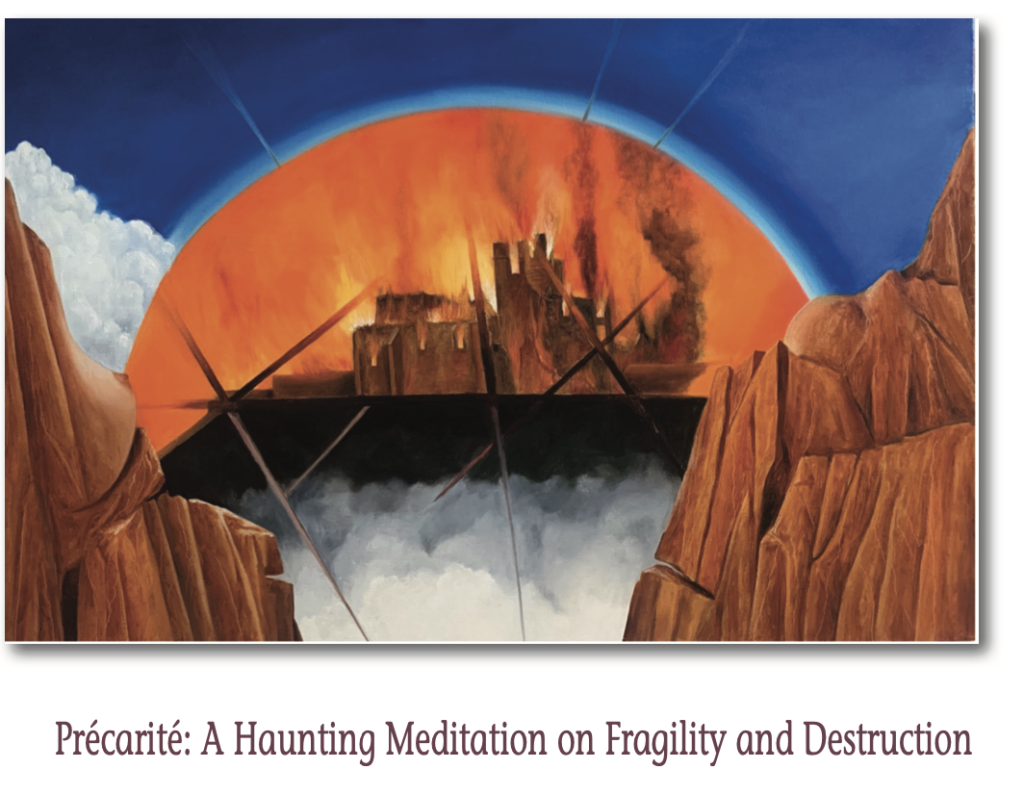
Technically, Faure’s artistry is a fusion of the old and the new. Though self-taught, he honed his skills by studying the Old Masters in renowned museums like the Louvre. He blends traditional layered varnishing techniques with modern surrealist expression, striving for “a rare luminosity that few artists today realise.” His work balances Bruegel’s intricate precision with Dalí’s surreal ingenuity, resulting in pieces that are as captivating as they are thought-provoking.
Like any artist, Faure has faced challenges, though curiously, creative blocks are not among them. “My mind is like a gallery filled with future paintings,” he explains, describing the constant influx of inspiration. Instead, his greatest struggles stem from logistical challenges, such as transporting his larger works for exhibitions.
For aspiring artists, Faure advises prioritising authenticity above all. “Never let anyone dictate what to paint or alter your work,” he says. He believes artists must remain true to their artistic voice and seek partnerships with galleries that align with their values. Faure also emphasises the importance of maintaining a personal connection with one’s audience.
Patrick Faure’s body of work is a testament to the profound possibilities of art as a medium of intellectual and emotional exploration. With an extraordinary blend of technical refinement and philosophical substance, Faure’s paintings transcend trends, offering a unique synthesis of timeless artistry and contemporary relevance. As celebrated in WOWwART, his journey is an enduring source of inspiration for both artists and admirers of art alike. The world Patrick Faure creates on canvas is both an escape and an invitation: to look beyond, to dream, and to question the intangible aspects of existence.